1. Safety first
The team confirms the vehicle is released, then suits up and secures the area around it.
Downtown, Miami, FL · Miami-Dade County
Call (877) 812-4220 if a vehicle in Downtown needs more than a wash. The work includes cleaning up blood and body fluids, treating smells that cling to fabric and disposing of contaminated parts.
If anyone is in danger, call 911 first. For a suicide crisis, call or text 988.
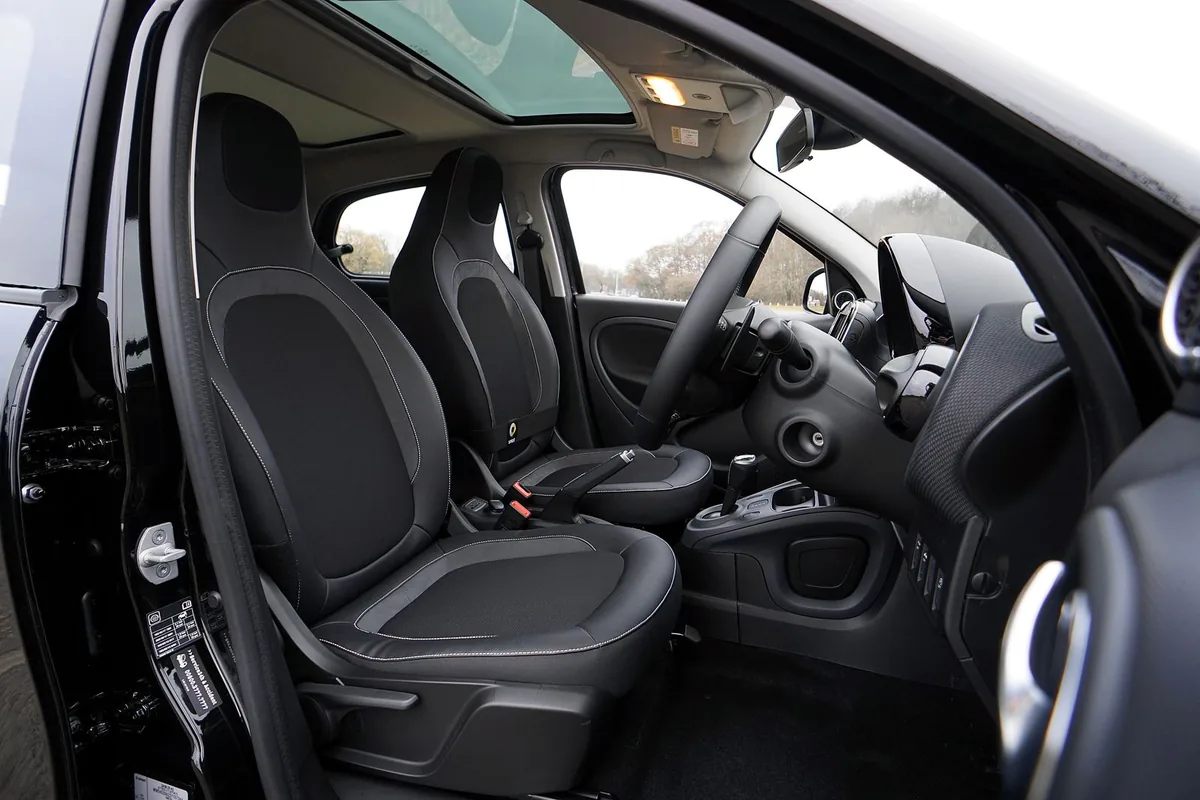
A biohazard vehicle is one that has been contaminated with blood, vomit, urine, feces or decomposition. Such a car cannot be cleaned with soap and a vacuum, because the fluids soak into foam and carpet.
You can get hazmat car cleaning and disinfection throughout Miami-Dade County, including Downtown, by calling Downtown Biohazard Cleanup Help. Drivers and owners call when contamination is too deep or too upsetting to deal with alone.
With about 57 inches of rain a year in Downtown, damp air and leaks can feed mold in a contaminated vehicle that was left sitting. Anyone hurt in a vehicle incident should be seen at Jackson Health System in Miami or by a doctor before anyone thinks about the cabin.
A typical vehicle biohazard cleanup job includes:
The team confirms the vehicle is released, then suits up and secures the area around it.
Blood and fluids are traced across seats, floors and panels, including seat tracks, seams and beneath the mats.
Contaminated materials come out first. The cabin is cleaned and disinfected, and odor is treated at its source.
The crew inspects each affected area, hauls away the waste and can provide notes for insurance claims.
Expect vehicle biohazard cleanup in Downtown, Miami, FL to cost roughly $500 to $5,000, with the final price set after an on-site assessment.
Replacing seats, carpet or trim after removal is usually separate from the cleanup itself, so ask what the quote covers.
| Type of job | Typical range |
|---|---|
| Vehicle biohazard cleanup | $500 - $5,000 |
Figures are planning ranges from BioCleaners Directory, not a price for any specific Downtown property. Price drivers include type of interior materials, how serious the event was, time since the event, air system decontamination. Call (877) 812-4220 any hour.
Cleaners follow rules designed to protect workers and the public from bloodborne pathogens, including the OSHA Bloodborne Pathogens Standard, 29 CFR 1910.1030. They wear PPE and use EPA-registered disinfectants.
It refers to a vehicle damaged by a biohazard, such as blood or body fluids, or by a chemical spill. Both kinds of contamination call for protective gear and specialized cleaning. A cleanup team can tell which applies after seeing the vehicle.
Yes. A regular detail cleans dirt and stains with household products. Biohazard car detailing starts with decontamination, then moves to restoring the finish. Skipping the first step leaves germs and odor behind.
A small spill on a hard surface can be cleaned with gloves, eye protection and an EPA-registered disinfectant. Do not do it with an open cut, and do not use the car until fluids that soaked into fabric are removed. For larger spills, call a cleanup team.
Yes. Blood can carry bloodborne pathogens such as hepatitis B and HIV. Dried blood can still be hazardous, and enclosed cabins hold odor. That is why the area is cleaned with protection and disinfected.
Remove the source first, since the smell comes from fluid trapped in seats, carpet and seams. Surface sprays only cover it. A biohazard car cleaning team removes soaked materials, disinfects and treats odor in the cabin and vents.
One call starts the cleanup, disinfection and disposal.
Call (877) 812-4220